A data breach is a security incident in which unauthorized individual’s access or steal sensitive, confidential, or protected data. Data breaches can have serious consequences, including financial losses, company reputation damage, and identity theft.
Understanding the most significant data breaches is essential for individuals and businesses to be aware of the potential risks and consequences and take necessary precautions to prevent them from occurring.
This outline aims to provide an overview of the 10 most significant data breaches of all time and to explore the impact of these breaches on the affected companies and their customers. Additionally, we will discuss best practices for data security and the prevention of data breaches.
The 10 Biggest Data Breaches of All Times
The following are the ten most significant data breaches of all time:
Yahoo (2013-2014)
Yahoo suffered a massive data breach between 2013 and 2014, in which hackers stole the personal information of all three billion Yahoo user accounts. The stolen data included names, email addresses, dates of birth, phone numbers, and hashed passwords.
Date and duration of the breach: August 2013 – August 2014
Number of records compromised: 3 billion user accounts
Description of the breach and how it occurred: Hackers infiltrated Yahoo’s systems and gained access to usernames, email addresses, telephone numbers, birth dates, and hashed passwords.
Impact on the affected company and its customers: Yahoo’s reputation suffered significantly, as it faced numerous lawsuits and declined user trust.
Marriott International (2014-2018)
In November 2018, Marriott International announced that hackers had accessed the personal information of up to 500 million guests of its Starwood Hotels subsidiary. The stolen data included names, phone numbers, email addresses, passport numbers, and payment card information.
Date and duration of the breach: 2014-2018
Number of records compromised: 500 million customers
Description of the breach and how it occurred: Hackers accessed Marriott’s Starwood guest reservation database, which contained customers’ personal information and payment card details.
Impact on the affected company and its customers: Marriott faced multiple class-action lawsuits and a significant decline in its stock value.
Adult Friend Finder (2016)
In 2016, the adult dating and entertainment company FriendFinder Networks suffered a data breach that exposed the personal information of more than 412 million accounts. The stolen data included email addresses, passwords, and user names.
Date and duration of the breach: October 2016
Number of records compromised: 412 million user accounts
Description of the breach and how it occurred: Hackers infiltrated Adult Friend Finder’s systems and stole user data, including usernames, passwords, email addresses, and IP addresses.
Impact on the affected company and its customers: Adult Friend Finder faced multiple lawsuits and a significant decline in user trust.
eBay (2014)
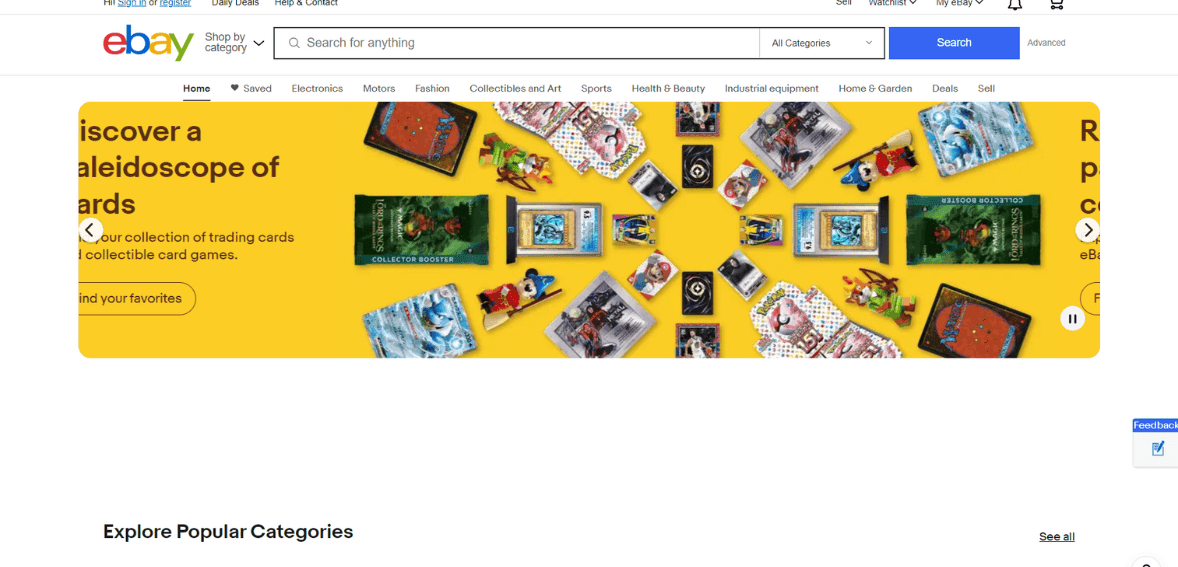
In 2014, eBay suffered a data breach in which hackers stole the personal information of 145 million users. The stolen data included names, addresses, phone numbers, birth dates, and encrypted passwords.
Date and duration of the breach: May 2014
Number of records compromised: 145 million users
Description of the breach and how it occurred: Hackers accessed eBay’s systems and stole user data, including names, addresses, dates of birth, and encrypted passwords.
Impact on the affected company and its customers: eBay faced multiple lawsuits and a decline in user trust.
Equifax (2017)
In September 2017, Equifax announced that hackers had gained access to the personal information of over 143 million people in the United States. The stolen data included names, Social Security numbers, birth dates, addresses, and in some cases, driver’s license numbers and credit card information.
Date and duration of the breach: July 2017
Number of records compromised: 147 million customers
Description of the breach and how it occurred: Hackers exploited a vulnerability in Equifax’s website and stole customer data, including names, Social Security numbers, birth dates, and addresses.
Impact on the affected company and its customers: Equifax faced numerous lawsuits, government investigations, and a decline in its stock value.
Target (2013)
In December 2013, Target announced that hackers had stolen the credit and debit card information of 40 million customers and the personal information of up to 70 million customers. The stolen data included names, addresses, phone numbers, and email addresses.
Date and duration of the breach: November-December 2013
Number of records compromised: 110 million customers
Description of the breach and how it occurred: Hackers gained access to Target’s systems through a third-party vendor and stole customers’ credit and debit card information and personal data such as names and addresses.
Impact on the affected company and its customers: Target faced multiple lawsuits, declining sales, and customer trust.
Heartland Payment Systems (2008)
In 2008, Heartland Payment Systems suffered a data breach in which hackers stole the credit and debit card information of up to 100 million customers. The stolen data included card numbers, expiration dates, and security codes.
Date and duration of the breach: 2008
Number of records compromised: 134 million credit card details
Description of the breach and how it occurred: Hackers accessed Heartland Payment Systems’ systems through a SQL injection attack and stole customers’ credit card details.
Impact on the affected company and its customers: Heartland Payment Systems faced multiple lawsuits and a significant decline in its stock value.
Capital One (2019)
In 2019, Capital One announced that a hacker had gained access to the personal information of over 100 million customers and applicants. The stolen data included names, addresses, phone numbers, email addresses, dates of birth, and income information.
Date and duration of the breach: The Capital One data breach occurred in March 2019 and continued until July 2019.
Number of records compromised: The breach exposed the personal information of approximately 106 million Capital One customers and applicants in the United States and Canada.
Description of the breach and how it occurred: The breach occurred due to a vulnerability in a firewall configuration. A hacker accessed the data through a misconfigured web application firewall in Capital One’s cloud infrastructure. The hacker then used that access to obtain customer data stored on Amazon Web Services (AWS) servers.
Impact on the affected company and its customers: The breach resulted in the theft of personal information such as names, addresses, dates of birth, credit scores, and Social Security numbers. The incident cost Capital One over $300 million, including customer notification, credit monitoring, and legal fees. The company also faced investigations and lawsuits from regulators and customers. The breach also exposed the vulnerability of cloud-based services and raised concerns about the security of customer data stored in the cloud.
JPMorgan Chase (2014)
In 2014, JPMorgan Chase announced that hackers had stolen the personal information of 76 million households and 7 million small businesses. The stolen data included names, phone numbers, email addresses, and internal JPMorgan Chase user information.
Date and duration of the breach: The JPMorgan Chase data breach occurred in mid-2014.
Number of records compromised: The breach impacted over 76 million households and 7 million small businesses.
Description of the breach and how it occurred: Due to a vulnerability in one of JPMorgan’s servers. Hackers could access the bank’s internal network, allowing them to access sensitive data such as customer names, addresses, phone numbers, and email addresses.
Impact on the affected company and its customers: The breach resulted in the theft of customer data, including contact information and account details. While no financial information was compromised, the incident was still costly for JPMorgan Chase, with the company spending over $250 million on security improvements and legal fees. The breach also raised concerns about the security of banking systems and highlighted the Importance of implementing strong cybersecurity measures.
Anthem Inc. (2015)
In 2015, Anthem Inc. suffered a data breach in which hackers stole the personal information of nearly 80 million current and former customers and employees. The stolen data included names, dates of birth, Social Security numbers, addresses, and employment information.
Date and duration of the breach: The Anthem Inc. data breach occurred in February 2015.
Number of records compromised: The breach impacted nearly 80 million customers and employees.
Description of the breach and how it occurred: It occurred due to a phishing attack targeting five Anthem employees. The hackers could access sensitive data such as names, dates of birth, Social Security numbers, and other personal information.
Impact on the affected company and its customers: The breach resulted in the theft of sensitive customer and employee data, including personally identifiable information (PII). The incident was costly for Anthem Inc., spending over $115 million on security improvements and legal fees. The breach also raised concerns about the security of healthcare systems and highlighted the Importance of implementing strong cybersecurity measures to protect patient data.
Prevention of Data Breaches
Data breaches have become a prevalent concern for individuals and businesses in recent years. Exposure to sensitive personal and financial information due to a data breach can lead to severe consequences such as identity theft, financial losses, and reputational damage. Therefore, ensuring data security has become crucial in the digital age.
Best Practices for Data Security
Implementing best practices for data security can significantly reduce the risk of data breaches. Strong passwords and multi-factor authentication can help prevent unauthorized access to systems and data. Encrypting sensitive data can also protect against data theft by rendering the information unreadable to unauthorized users. Regularly updating software and security systems can help address vulnerabilities that hackers can exploit. Regular security audits and risk assessments can help identify potential threats and vulnerabilities.
The Role Of Individuals And Businesses In Preventing Data Breaches
The responsibility of preventing data breaches falls solely on businesses and individuals. Individuals must protect their personal information by avoiding public Wi-Fi, using secure websites, and being vigilant about suspicious emails or phone calls. Businesses must also ensure they have adequate security measures to protect customer data and regularly train employees on best practices for data security.
Final Thoughts On Data Breaches
Data breaches can severely affect individuals and businesses, leading to financial losses, reputational damage, and legal implications. Understanding the most significant data breaches is essential to learn from past mistakes and taking necessary precautions to prevent future breaches. While businesses have a significant responsibility to protect customer data, individuals must also take steps to safeguard their personal information. By implementing best practices for data security, conducting regular security audits and risk assessments, and being vigilant, individuals and businesses can significantly reduce the risk of data breaches. Ultimately, it is important to prioritize data security to protect against potential harm and maintain trust in the digital age.
Cookie Consent
We use cookies to enhance your browsing experience, analyze site traffic, and support our marketing.You can accept all cookies, reject non-essential ones, or manage your preferences below. Learn more in our Privacy Policy.
Cookie Preferences
Manage your cookie preferences below:
Essential cookies enable basic functions and are necessary for the proper function of the website.
Name
Description
Duration
Cookie Preferences
This cookie is used to store the user's cookie consent preferences.
180 days
These cookies are needed for adding comments on this website.
Name
Description
Duration
comment_author_email
Used to track the user across multiple sessions.
Session
comment_author_url
Used to track the user across multiple sessions.
Session
comment_author
Used to track the user across multiple sessions.
Session
Google Tag Manager simplifies the management of marketing tags on your website without code changes.
Name
Description
Duration
cookiePreferences
Registers cookie preferences of a user
2 years
td
Registers statistical data on users' behaviour on the website. Used for internal analytics by the website operator.
session
These cookies are used for managing login functionality on this website.
Name
Description
Duration
wordpress_logged_in
Used to store logged-in users.
Persistent
wordpress_sec
Used to track the user across multiple sessions.
15 days
wordpress_test_cookie
Used to determine if cookies are enabled.
Session
Statistics cookies collect information anonymously. This information helps us understand how visitors use our website.
Google Analytics is a powerful tool that tracks and analyzes website traffic for informed marketing decisions.
Contains information related to marketing campaigns of the user. These are shared with Google AdWords / Google Ads when the Google Ads and Google Analytics accounts are linked together.
90 days
__utma
ID used to identify users and sessions
2 years after last activity
__utmt
Used to monitor number of Google Analytics server requests
10 minutes
__utmb
Used to distinguish new sessions and visits. This cookie is set when the GA.js javascript library is loaded and there is no existing __utmb cookie. The cookie is updated every time data is sent to the Google Analytics server.
30 minutes after last activity
__utmc
Used only with old Urchin versions of Google Analytics and not with GA.js. Was used to distinguish between new sessions and visits at the end of a session.
End of session (browser)
__utmz
Contains information about the traffic source or campaign that directed user to the website. The cookie is set when the GA.js javascript is loaded and updated when data is sent to the Google Anaytics server
6 months after last activity
__utmv
Contains custom information set by the web developer via the _setCustomVar method in Google Analytics. This cookie is updated every time new data is sent to the Google Analytics server.
2 years after last activity
__utmx
Used to determine whether a user is included in an A / B or Multivariate test.
18 months
_ga
ID used to identify users
2 years
_gali
Used by Google Analytics to determine which links on a page are being clicked
30 seconds
_ga_
ID used to identify users
2 years
_gid
ID used to identify users for 24 hours after last activity
24 hours
_gat
Used to monitor number of Google Analytics server requests when using Google Tag Manager
1 minute
Marketing cookies are used to follow visitors to websites. The intention is to show ads that are relevant and engaging to the individual user.
Facebook Pixel is a web analytics service that tracks and reports website traffic.